
“Scrum Master? That’s the person who keeps an eye on the team, reminds them of deadlines, and organizes meetings, right?” No. This perception not only underestimates the true value of a Scrum Master but actively prevents teams from reaching their full potential.

The fear of what we might lose can kill future value before it ever has a chance to be created.

When I look back at my early days as a Scrum Master, I see many situations that would look completely different today. I believed that strictly following the Scrum Guide was enough. That was a naive idea. Here are seven lessons that would have saved me a lot of time and frustration:
We learn the most from those who didn’t make it. But they tend to stay silent.
Agile is all about adaptability. But if you want your team to be truly efficient and deliver maximum value with minimal waste, you need to add Lean principles to your toolkit. In practice, Lean ideas are often applied only partially—wasting a huge amount of potential. Lean provides a framework for reducing waste and improving the flow of value that can elevate any Scrum team to the next level.

The most dangerous thing isn’t bad ideas. The most dangerous thing is believing that all the good ideas are already on the table.
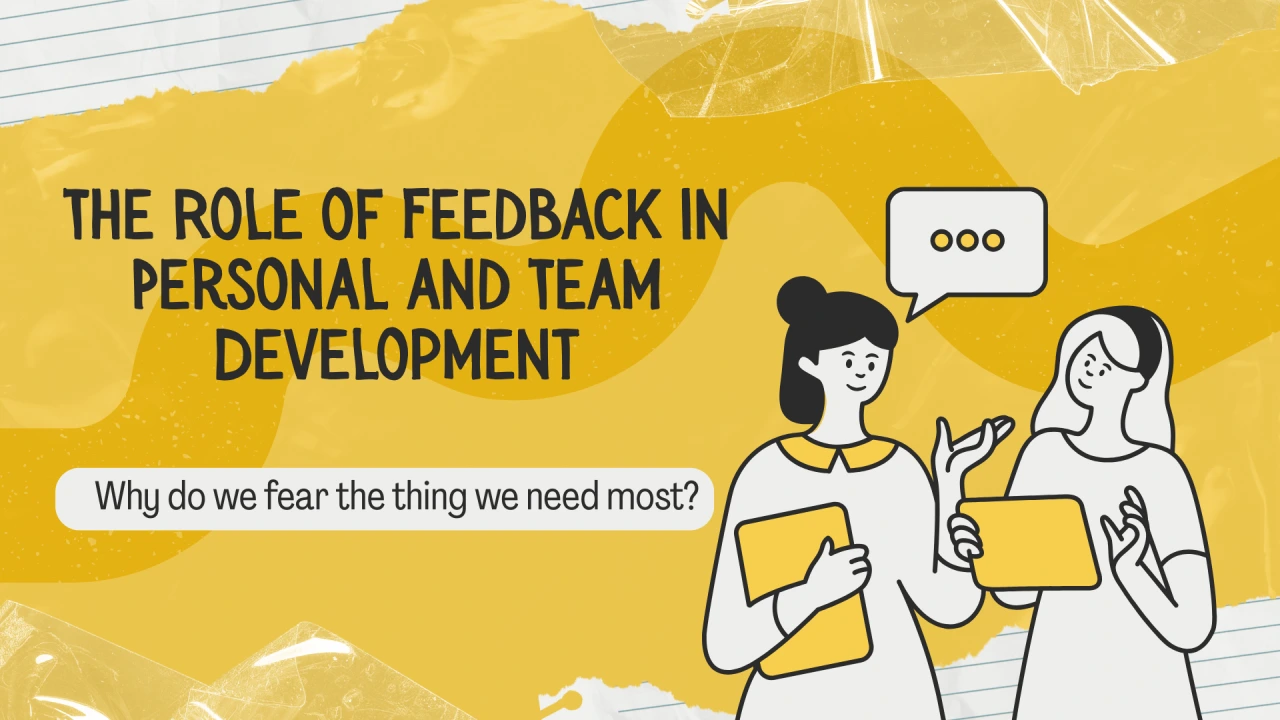
Why do we fear the thing we need most? As a Scrum Master, I’ve realized one thing: the greatest enemy of team growth is our silence. A team that can openly give and receive feedback progresses faster than a team that avoids it. Feedback is often seen as criticism—but in reality, it’s one of the most powerful tools for both personal and team development.
Truth isn’t in what we want to see—it’s in what we’re afraid to acknowledge.
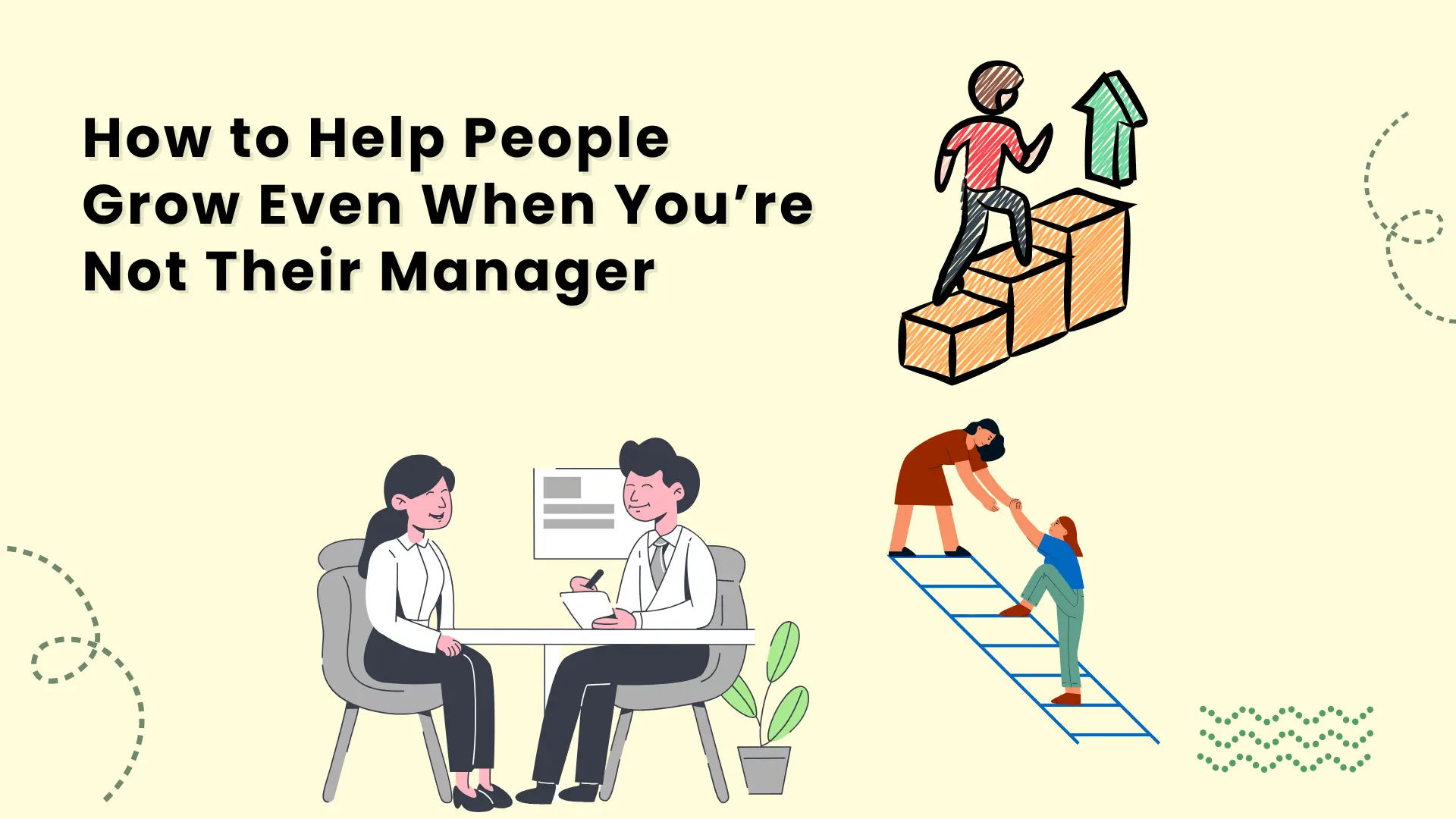
When we say “helping people grow,” many imagine a manager who holds formal power — assigning tasks, evaluating performance, deciding on bonuses. But the reality in the Agile world is different. As a Scrum Master, I often don’t have direct managerial authority. Yet I still have the opportunity — and responsibility — to help people grow. I’d like to share practical tips on how to move people forward — whether it’s their professional development, motivation, or performance improvement — without being their boss. Leadership is not about position, but about influence.

Agility is not just about processes and rituals. True mastery lies in the art of working with people and their relationships. What truly makes a difference is team dynamics — the invisible network of relationships, communication, and behavioral patterns that influence how effectively a team collaborates. Two teams with the same product, skills, and tools can have completely different results — precisely because of their differing dynamics. If you want to move from being a facilitator to a true leader who shapes high-performing teams, it’s time to go beyond the usual retrospectives and daily stand-ups.