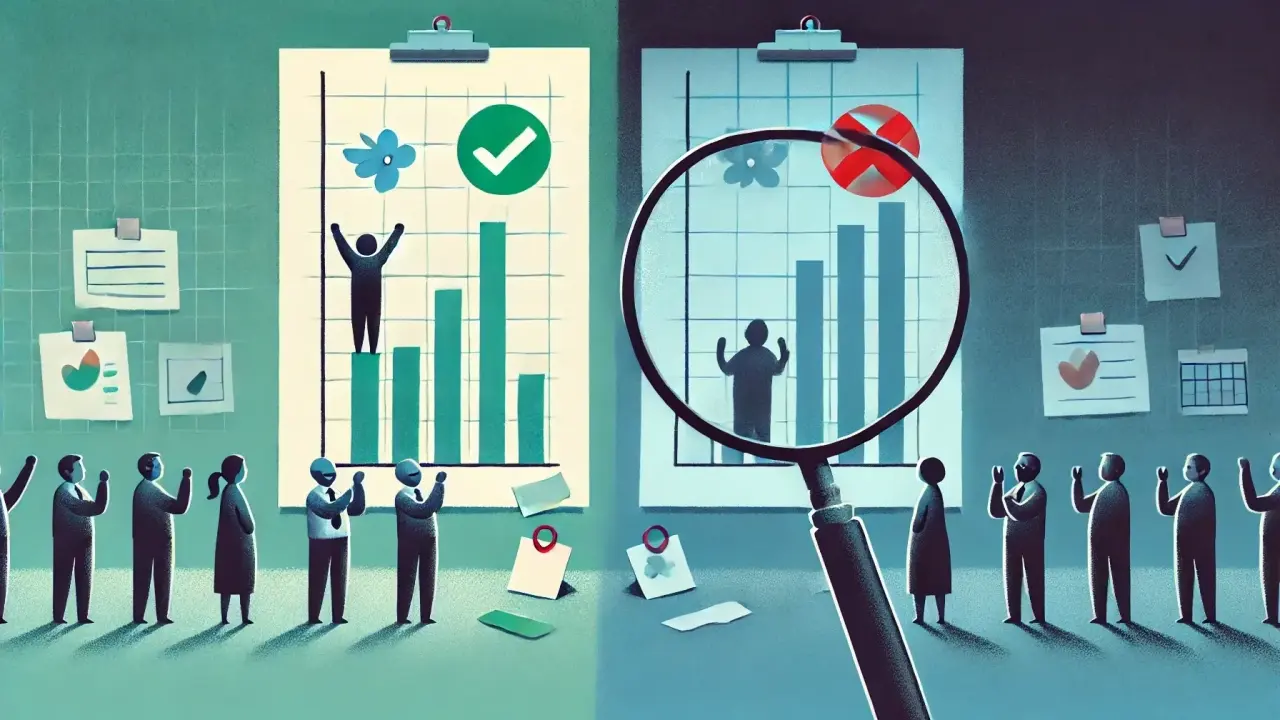
You’ve surely heard the story of a team that adopted Scrum and instantly boosted its productivity by 50%, or the company that doubled its revenue within a year of going Agile. These inspiring success stories are everywhere. But this is exactly where the so-called Survivorship Bias comes into play.

"We've already put so much effort into this, we have to finish it..." If you work in an agile environment, you’ve likely heard this statement. It’s a classic example of a cognitive bias known as the Sunk Cost Fallacy.
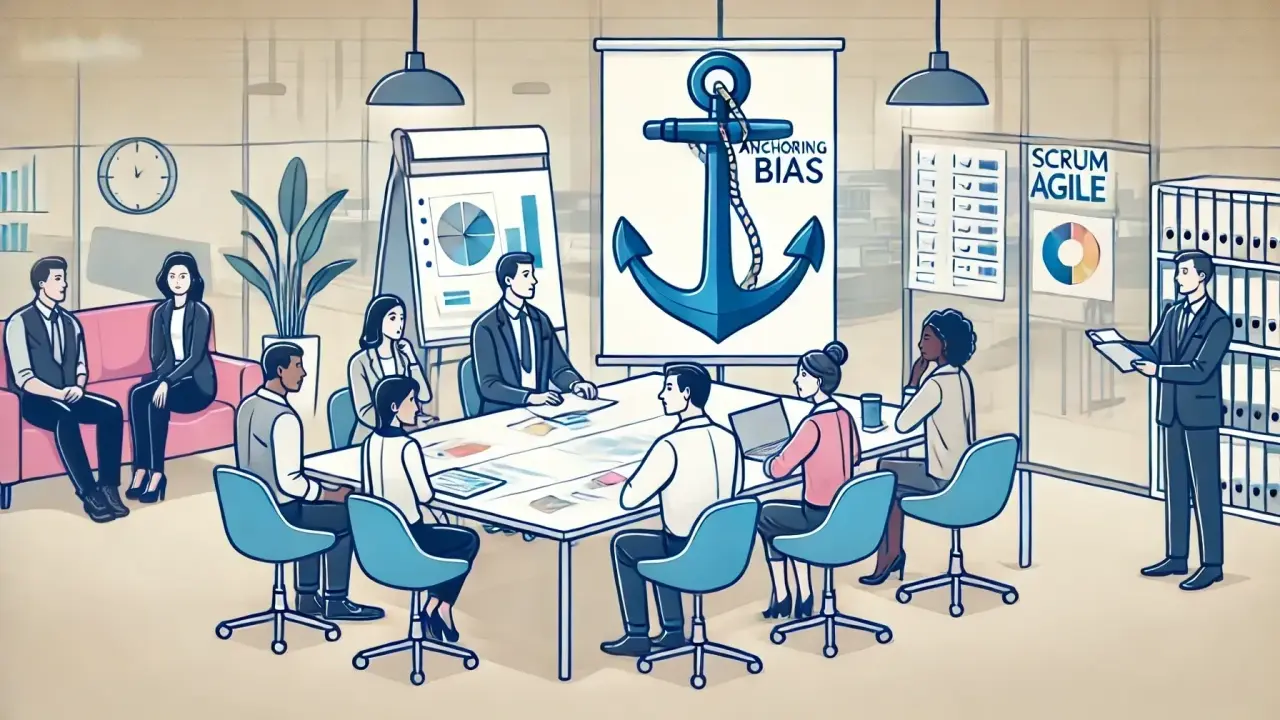
Have you ever experienced a moment during sprint planning when someone says, "this task should take two days at most," and suddenly the entire team aligns their expectations around that single estimate? You've just witnessed Anchoring Bias, one of the most common cognitive biases in Agile environments.
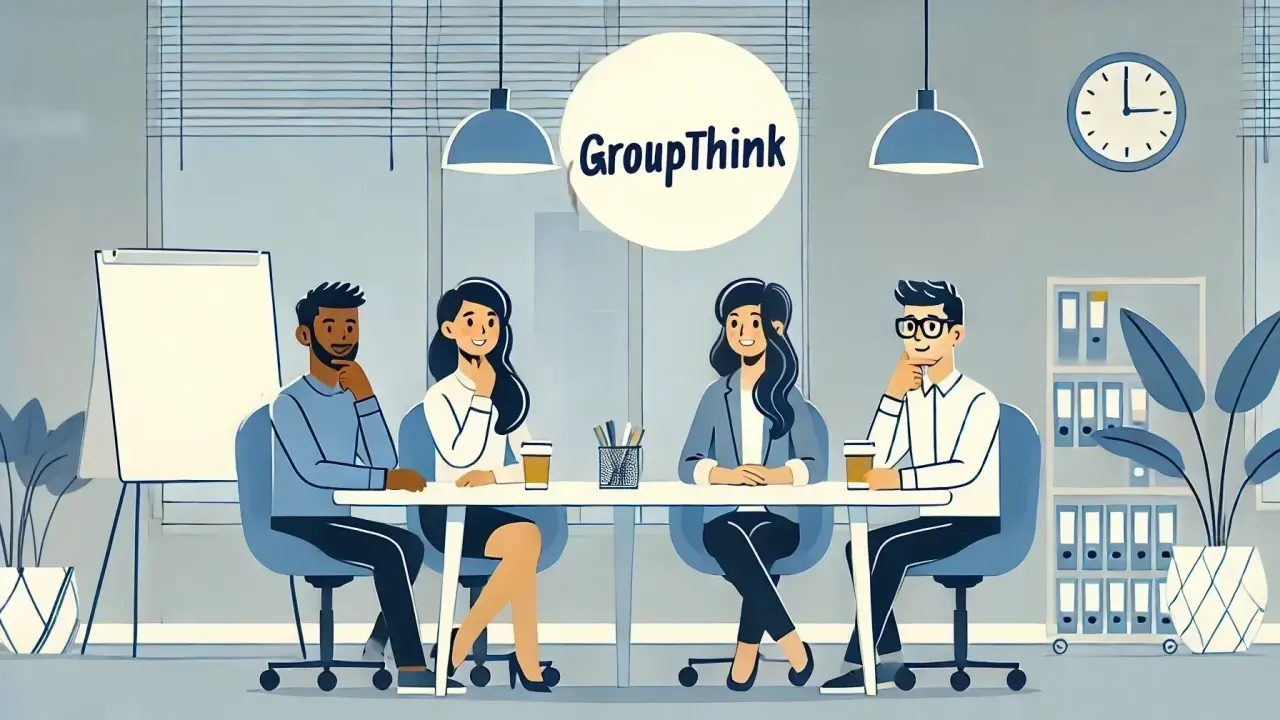
As a Scrum Master, I’ve seen how cognitive biases can quietly undermine Agile teams. One of the most insidious is Groupthink – the tendency for team members to prioritize harmony and agreement over critical thinking and open discussion. Let’s explore what Groupthink looks like in Scrum and Agile, how it harms performance, and how we can overcome it to build stronger, more innovative teams.
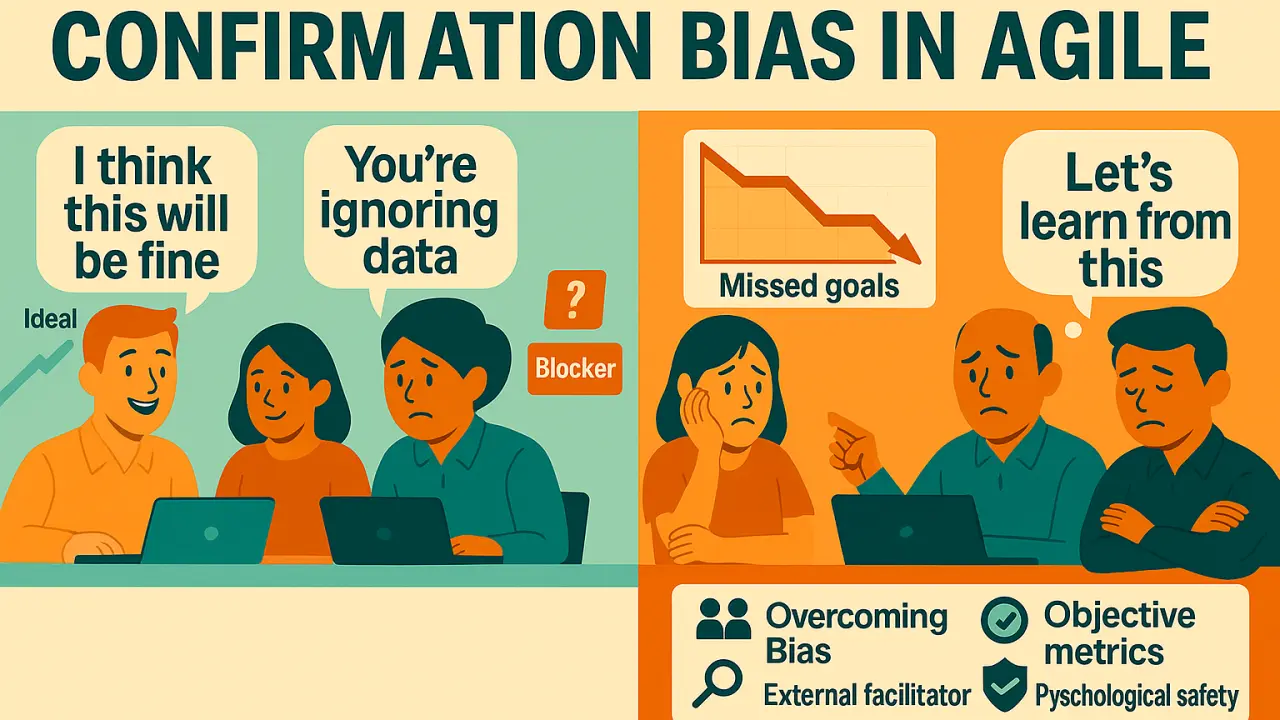
Have you ever wondered why some Agile teams struggle to improve, even when they're doing all the right ceremonies? The answer might lie in something subtle but powerful: confirmation bias. It's a mental shortcut that filters how we see data, feedback, and even team dynamics - often without us realizing it. In the Agile world, this bias can quietly derail planning, retrospectives, and decision-making. In this article, I’ll break down how confirmation bias shows up in Agile teams - and more importantly, what we can do about it.

You know that Scrum is built on the idea of continuous improvement, right? But let’s be honest—how many teams truly live it? For many, the Retrospective is just another ceremony where problems are mentioned but nothing really changes. This is exactly where Kaizen comes in—a Japanese philosophy that means “change for the better.”
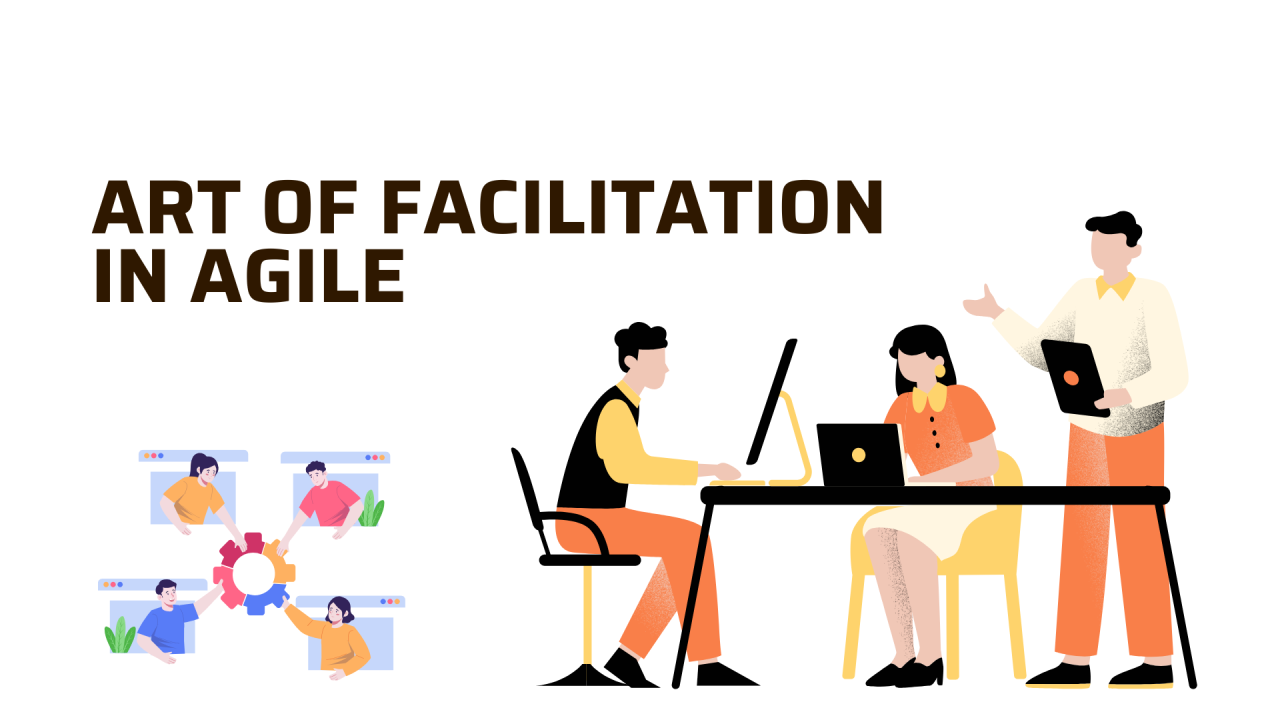
In the Agile world, we often talk about coaching, mentoring, or leadership. But one of the most important skills of a Scrum Master is facilitation. For many, it’s just a synonym for “leading a meeting.” But for a Scrum Master (especially a senior one), it’s a much deeper and more complex process. It’s about continuously refining skills with the goal of unlocking the team’s full potential.
Scrum isn’t just about sprints, retrospectives, and daily stand-ups. It’s about understanding the entire system—how individual parts influence the whole. As Scrum Masters, we often tackle problems that seem simple at first glance: the team is missing deadlines, the backlog is unclear, stakeholders push for tighter timelines. But when we look deeper, most of these challenges turn out to be systemic.

The most expensive thing is not to let go of something we've invested in. The most expensive thing is to finish something that no longer has value.