
Have you ever experienced a moment during sprint planning when someone says, "this task should take two days at most," and suddenly the entire team aligns their expectations around that single estimate? You've just witnessed Anchoring Bias, one of the most common cognitive biases in Agile environments.
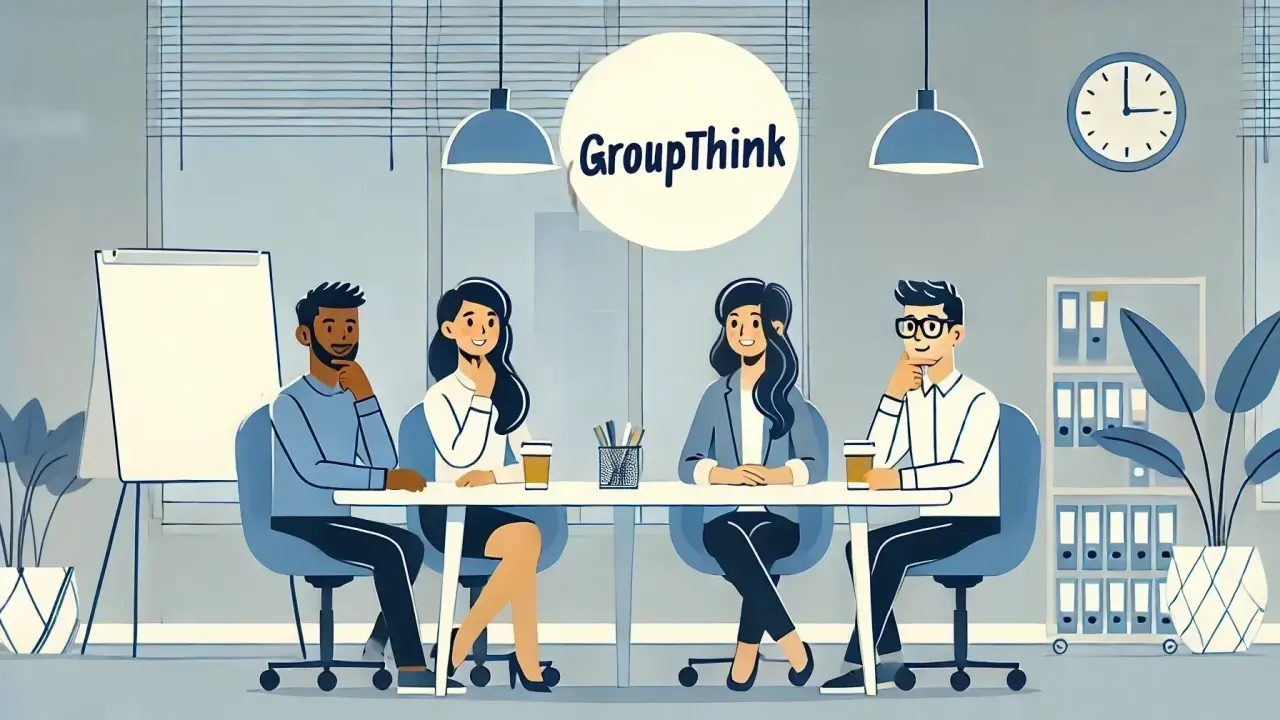
As a Scrum Master, I’ve seen how cognitive biases can quietly undermine Agile teams. One of the most insidious is Groupthink – the tendency for team members to prioritize harmony and agreement over critical thinking and open discussion. Let’s explore what Groupthink looks like in Scrum and Agile, how it harms performance, and how we can overcome it to build stronger, more innovative teams.
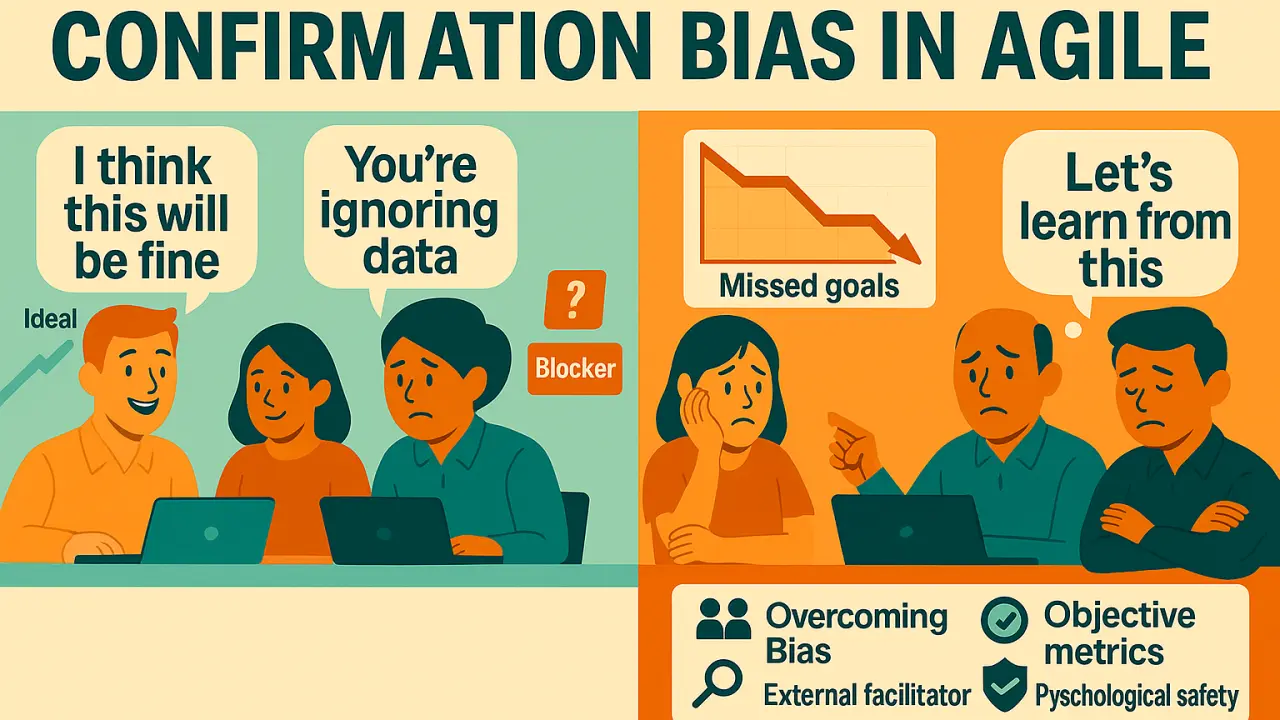
Have you ever wondered why some Agile teams struggle to improve, even when they're doing all the right ceremonies? The answer might lie in something subtle but powerful: confirmation bias. It's a mental shortcut that filters how we see data, feedback, and even team dynamics - often without us realizing it. In the Agile world, this bias can quietly derail planning, retrospectives, and decision-making. In this article, I’ll break down how confirmation bias shows up in Agile teams - and more importantly, what we can do about it.